
The Future of Hospitality: 2026 Design Trends Shaping the Hotel Industry
The hospitality industry is constantly evolving, and hotel design trends for 2026 reflect broader shifts in guest expectations and industry priorities. From dual-brand to extended-stay properties, these hotel trends are strategic responses to changing behaviors and values.
At the core of these innovations is the aim to improve the guest experience and create functional and memorable spaces in tune with the modern traveler. As a leader in hospitality solutions, EIS Hospitality recognizes how these trends influence the industry’s future, providing insights into their importance and implementation. Below, we examine the key hotel design trends for 2026 and identify the factors driving their emergence.
Extended-Stay Hotels: Designed for Flexibility and Comfort
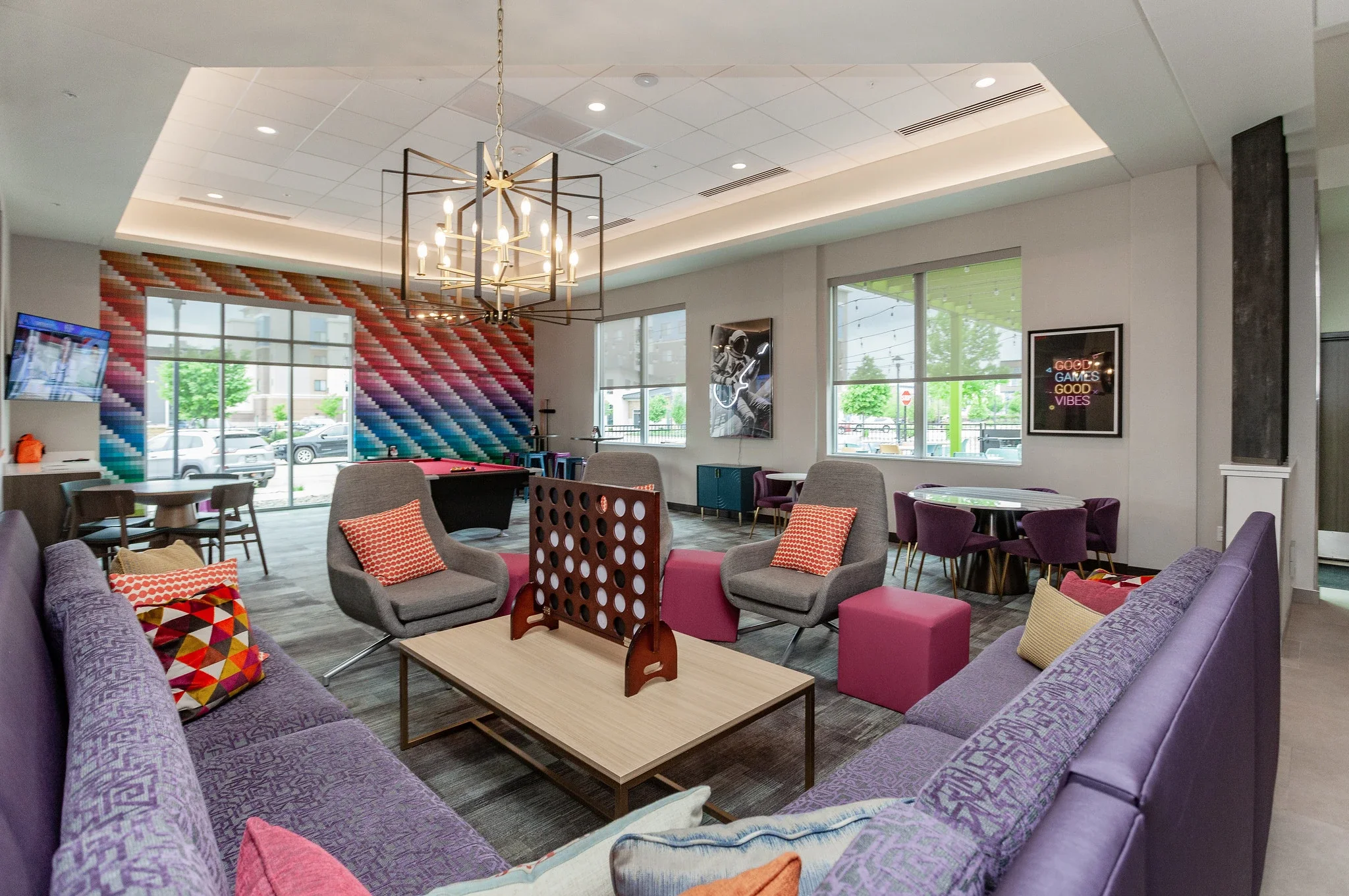
The rise in remote work and longer vacations has increased the popularity of extended-stay hotels. These properties cater to travelers seeking home-like amenities, often accommodating families who blend work and leisure during their stays. Modular furniture has also become a cornerstone of these designs, allowing guests to customize their space to suit their needs, whether working on a laptop, sharing a family meal, or simply relaxing after a long day. This adaptability enhances the guest experience, ensuring a functional and welcoming space.
Extended-stay hotels represent the hospitality industry’s response to evolving guest expectations. They offer comfort, convenience, and a tailored experience for modern travelers. These properties reshape how guests experience long-term stays by prioritizing flexibility and thoughtful design. Incorporating durable, high-quality materials is essential for extended-stay hotels, where spaces endure greater use over time. Thoughtful design choices, such as storage solutions that maximize space or sustainable materials that align with environmental goals, further elevate these properties.
Dual-Brand Properties Cater to Diverse Markets
Dual-brand properties have become a defining trend in hotel design, allowing owners to cater to multiple markets under one roof. By combining two distinct brands in a single property, these hotels maximize profitability while providing guests with tailored experiences.
For example, one brand may target budget-conscious travelers, while the other focuses on extended-stay guests or premium offerings. Shared spaces like lobbies, fitness centers, and meeting rooms allow operational efficiencies without compromising brand identity. This reduces overhead costs and streamlines operations, making it an attractive investment strategy in competitive markets.
The ability to attract a wider range of travelers – from business professionals to leisure tourists – also enhances profitability and occupancy.
Bigger Lobbies Enhance the Guest Experience
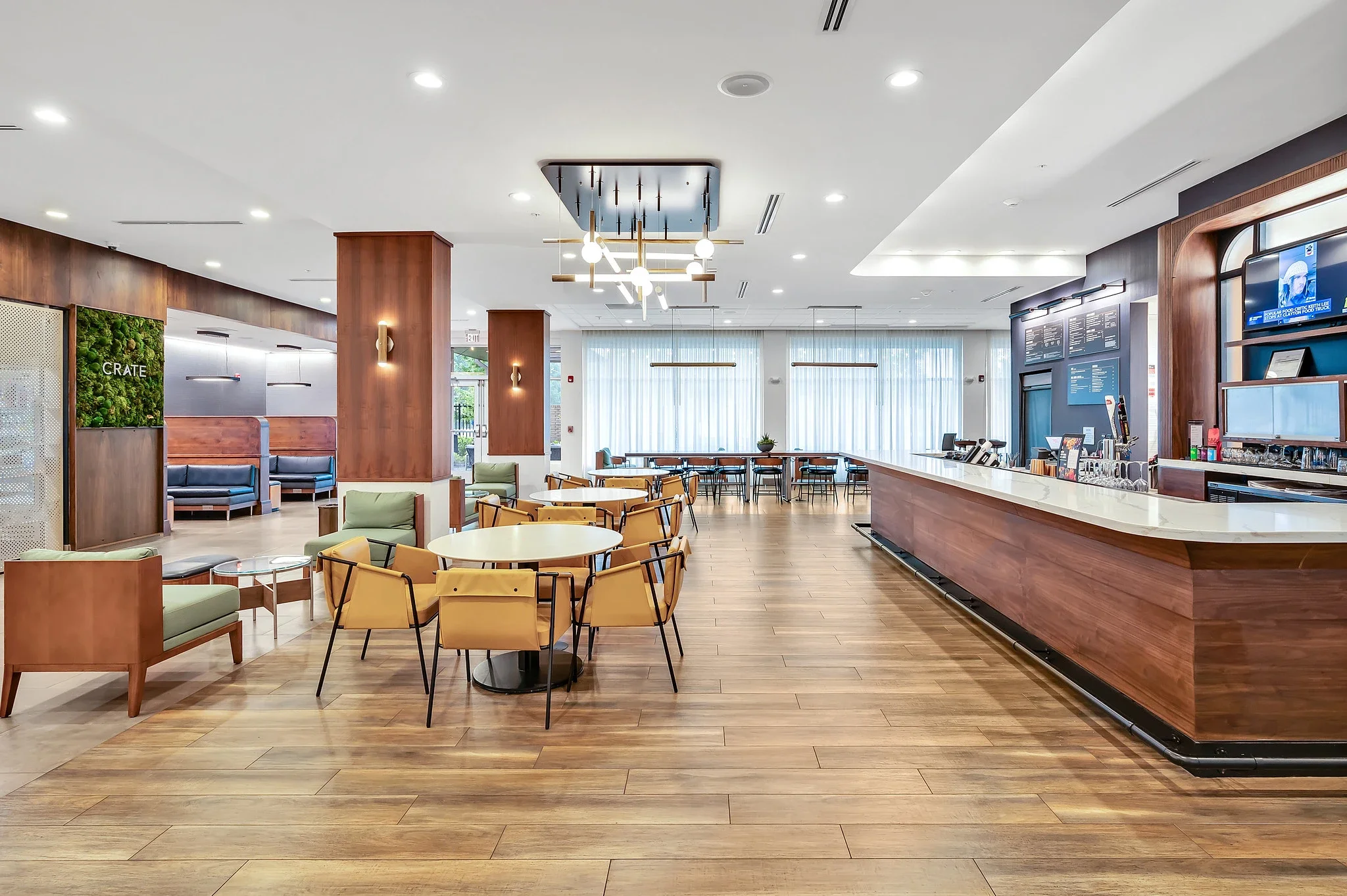
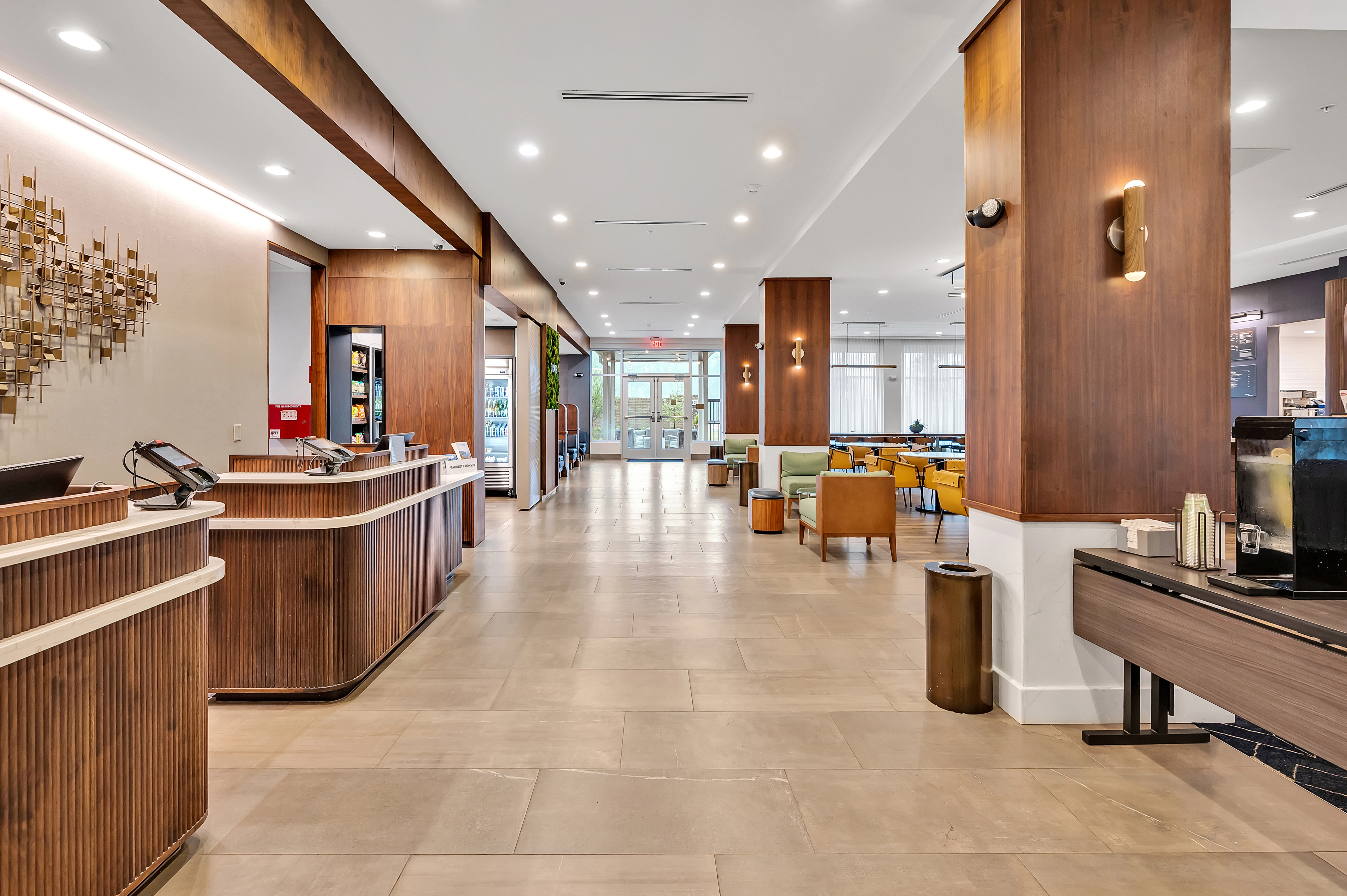
Lobbies are no longer just spaces for check-ins. They’ve evolved into dynamic areas that enhance the guest experience. Modern lobbies now serve as co-working spaces, casual meeting areas, and social hubs, reflecting the demand for versatile public spaces.
These spaces provide a welcoming environment for leisure guests to relax or socialize, while business travelers benefit from workstations, charging ports, and semi-private meeting areas. Thoughtful design, including flexible seating, layered lighting, and biophilic elements, fosters a comfortable atmosphere that feels more like a living room than a traditional hotel lobby.
By transforming lobbies into multi-functional spaces, hotels can better cater to modern travelers while maximizing the value of their public areas.
Sustainability, Technology, Personalization, and Wellness
While dual-brand properties, extended-stay hotels, and expanded lobbies dominate 2026 trends, several other areas continue to reshape the industry:
Sustainability Trends: Eco-conscious travelers drive demand for sustainable hotel design, including energy-efficient systems, locally sourced materials, and waste-reduction initiatives. Hotels prioritizing sustainability reduce their environmental impact and appeal to a growing segment of environmentally aware guests.
Technology: From keyless check-ins to smart room controls, hotel technology enhances guest convenience and personalization. Hotels that embrace technology improve operational efficiency while offering tailored experiences for their guests. Brands are investing in AI-powered chatbots, mobile apps, and data analytics to anticipate guest needs and streamline communication. Contactless payments, voice-activated devices, and energy management systems have also become common, reflecting a broader shift toward convenience, sustainability, and precise operations.
Personalized Looks: Boutique-style designs with unique, curated aesthetics continue to trend, providing guests with distinctive and memorable environments. Hotels increasingly blend local culture and art into their designs, creating authenticity in their spaces while shifting towards multifunctional layouts. Lobbies and lounges are designed to double as social hubs and co-working spots, giving hotels a flexible edge beyond providing a place to sleep.
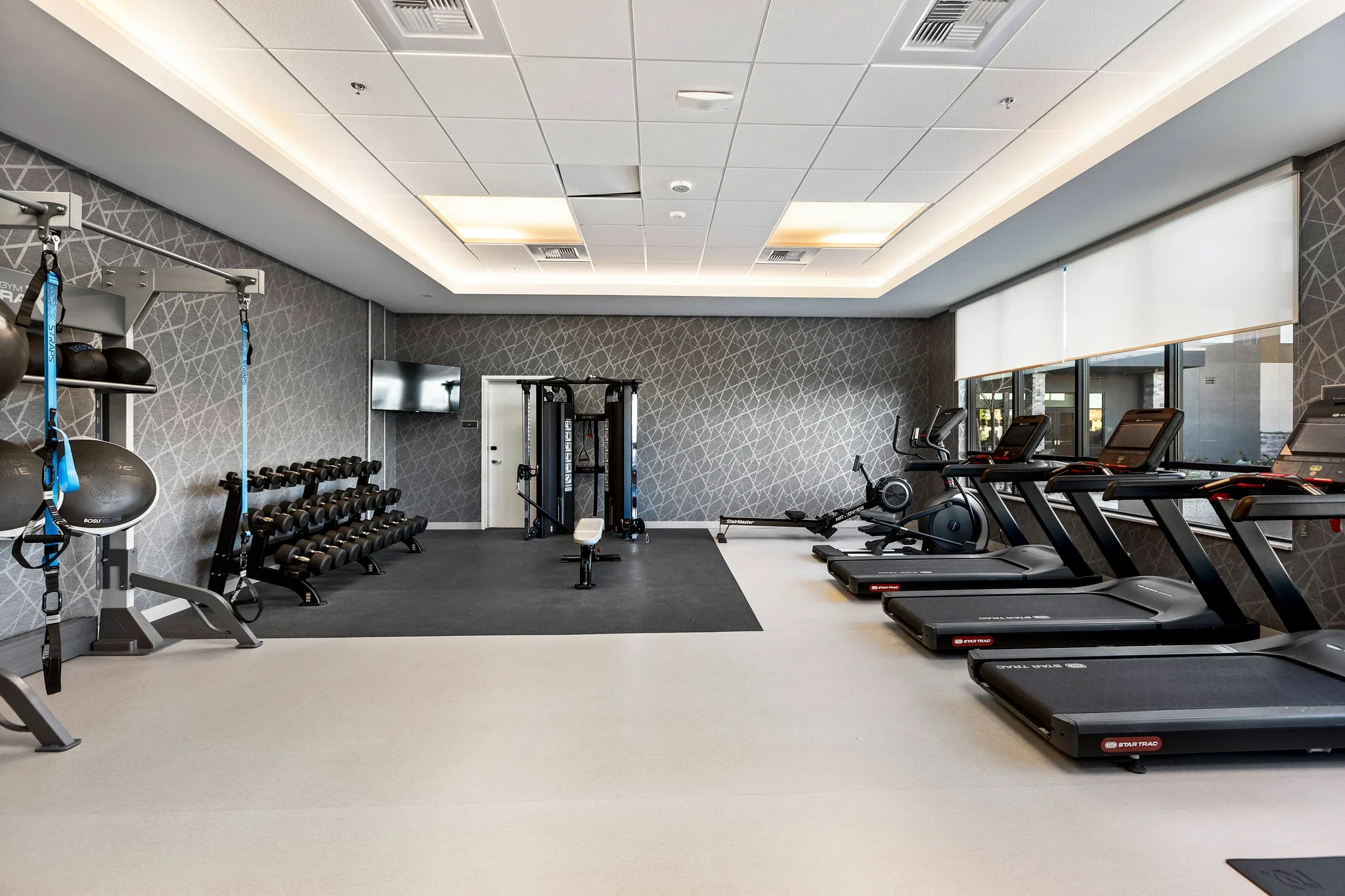
Wellness-Focused Spaces: With wellness becoming a key priority, hotels integrate features like fitness-focused amenities and relaxation areas.
A Hilton survey earlier this year found that 90% of guests try to stay on track with their fitness goals while traveling. In response, Hilton and Peloton partnered to offer Peloton’s on-demand fitness content on in-room TVs. This feature is in addition to the Peloton bikes already available in Hilton fitness centers.
Embracing the Future of Hospitality Design
The trends shaping hotel interior design in 2026 emphasize flexibility, sustainability, and a focus on enhancing the guest experience. From dual-brand properties to extended-stay hotels and innovative public spaces, these design innovations meet the evolving needs of modern travelers.
EIS Hospitality supports these hospitality industry trends with tailored solutions. Our expertise in outfitting dual-brand properties offers seamless integration of casegoods and millwork that meet the needs of both brands while maintaining a comprehensive look and feel. Contact us to learn how we can bring your next project to life.

